
Beginning the journey toward recovery is a major step that often comes with uncertainty, fear, and hope all at once. People enter treatment for many different reasons, and no two experiences with substance use or mental health challenges are exactly alike. Because recovery is deeply personal, individualized support can make a meaningful difference throughout the healing process.
A rehab program provides a structured environment where individuals can focus on recovery while receiving professional care and emotional support. Whether someone is seeking help for the first time or returning to treatment after a setback, the right support system can help create a path toward long-term stability and healthier living.
Creating a Safe Environment for Healing
Many individuals struggle to focus on recovery while managing outside stressors, unhealthy environments, or daily triggers. A structured treatment setting offers space away from those pressures so healing can become the primary focus.
Rehab programs often provide daily schedules that include therapy, wellness activities, counseling, and educational support. This structure can help individuals regain a sense of routine that may have been lost during active substance use or emotional distress.
Feeling safe and supported is an important part of recovery. A stable environment allows individuals to begin addressing difficult emotions, unhealthy habits, and underlying challenges without the distractions of everyday pressures.
Understanding the Root Causes of Substance Use
Recovery involves more than stopping substance use. Many people experience underlying emotional or mental health concerns that contribute to addictive behaviors. Stress, trauma, anxiety, depression, grief, and unresolved life experiences can all affect a person’s ability to cope in healthy ways.
Therapy helps individuals explore these deeper issues while learning healthier coping strategies. Many rehab programs offer individual counseling, group therapy, behavioral therapy, and family support services to address the emotional side of recovery.
Understanding personal triggers and emotional patterns often helps individuals build greater self-awareness. This insight can become an important part of maintaining long-term progress after treatment ends.
Rebuilding Healthy Daily Habits
Substance use can affect nearly every part of a person’s routine, including sleep patterns, physical health, relationships, nutrition, and personal responsibilities. Recovery often involves rebuilding those habits one step at a time.
A rehab program may encourage individuals to establish healthier routines that support emotional and physical wellness. Structured schedules, wellness education, and goal-setting activities can help people regain confidence in their ability to care for themselves and manage daily responsibilities.
Small changes often create meaningful progress over time. Consistency, accountability, and encouragement can help individuals feel more prepared to navigate life after treatment.
Strengthening Support Systems
Recovery is rarely something a person should face alone. Support from professionals, peers, family members, and trusted friends often plays a valuable role during the healing process.
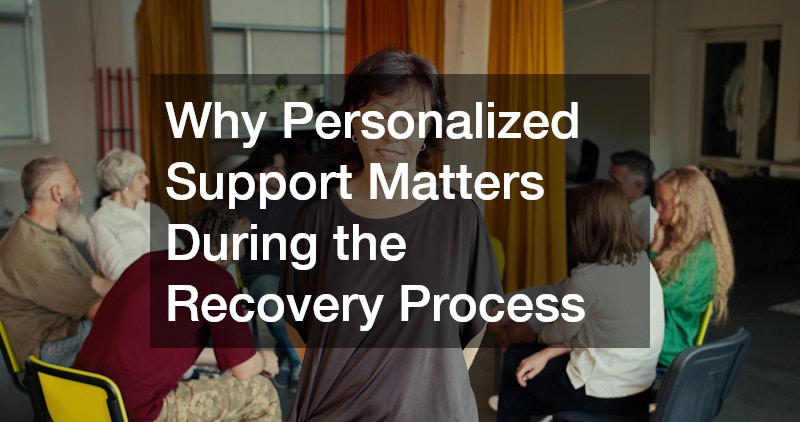
Group therapy can help individuals connect with others who understand similar experiences. These shared conversations may reduce feelings of isolation and encourage honest discussions about recovery challenges and personal growth.
Family counseling may also help improve communication and rebuild trust within relationships that have been affected by substance use. Strengthening these connections can create a healthier support system moving forward.
Having people who provide encouragement and accountability can make recovery feel more manageable during difficult moments.
Preparing for Life After Treatment
One of the most important goals of treatment is helping individuals prepare for long-term recovery outside of a structured environment. Daily life can include stress, emotional triggers, and unexpected challenges, which is why relapse prevention planning is often an essential part of care.
Many rehab programs help individuals identify personal triggers, develop coping strategies, and create plans for maintaining healthy routines after treatment. Ongoing therapy, support groups, and aftercare services may also provide continued guidance during the transition back into everyday life.
Recovery is a long-term process that often continues well beyond the completion of a treatment program. Building a strong foundation during treatment can help individuals feel more confident and prepared for the future.
Moving Toward a Healthier Future
Seeking treatment is a courageous decision that reflects a desire for change and healing. While recovery may involve challenges, it can also create opportunities for personal growth, stronger relationships, and improved well-being.
A rehab program offers more than clinical care. It provides support, structure, and guidance during a time when many individuals need it most. With compassionate treatment and a commitment to the recovery process, lasting progress becomes possible.
Healing does not happen overnight, but every positive step forward can help create a healthier and more stable future.

Related Posts

What You Can Learn From the Womens Health Center Farmville, VA Residents Recommend
Introduction The Women’s Health Center in Farmville, VA is a renowned healthcare facility that offers a comprehensive range of services…

10 Ways Your Home Environment Affects Health and Wellness
Your home is so much more than just a place to crash or hang out with your loved ones—it’s like…
How Does Outpatient Rehab Work?
Outpatient rehab, also known as ambulatory rehab, offers a flexible and accessible approach to addiction recovery, including alcohol rehab. Patients…