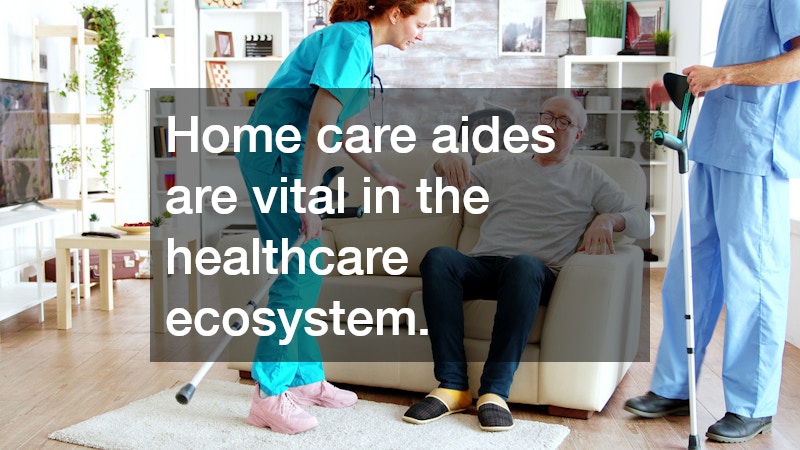

Home care aides are crucial in the healthcare system, supporting individuals requiring daily living assistance. Their roles are diverse, providing physical and emotional support to ensure client well-being.
With an aging population, the demand for these skilled aides is rising, emphasizing their importance in enhancing life quality.
Home care aides not only deliver essential services but also ease the load on families and healthcare systems. By addressing unique client needs, they play a significant role in promoting healthier lifestyles. This article discusses their responsibilities, qualifications, challenges, relationship-building techniques, and impact.
We explore a home care aide’s role, highlighting necessary skills and attributes. From personal hygiene to medication management, these aides carry out duties vital to client welfare. We also discuss how they transform at-home healthcare support.
Primary Responsibilities of a Home Care Aide
Assistance with Daily Living Activities
Home care aides support individuals facing challenges with daily tasks like dressing, bathing, and grooming, ensuring personal hygiene. They help clients move safely, preventing accidents.
Their role is vital in maintaining client independence, requiring compassion and sensitivity. By tailoring their assistance to clients’ preferences, they provide a dignified experience that elevates life quality.
Home care aides adapt to individual needs, whether accommodating limitations or respecting cultural practices, empowering clients to live comfortably.
Personal Care and Hygiene
Home care aides ensure client cleanliness and grooming to prevent infections and promote health. They assist with tasks like bathing and oral hygiene, maintaining respect and detail.
With their compassionate approach, they provide critical support for clients to remain comfortable and maintain dignity in their daily lives.
They monitor health changes to detect issues early, cultivating a hygienic environment that enhances client well-being.
Their attentive care positively affects clients emotionally, reinforcing trust and confidence.
Qualifications Needed to Become a Home Care Aide
Educational Requirements
A high school diploma or equivalent is generally needed, with some roles requiring further certifications. These programs cover healthcare principles, nutrition, and safety. Furthermore, CPR and first aid certifications can enhance a candidate’s qualifications and are often considered advantageous.
Both education and hands-on experience are valued, with community colleges and vocational schools offering relevant courses. Continuous learning is crucial as the field evolves, maintaining aides’ skills and career prospects.
Certification and Licensing
Certification often involves completing a state-approved program and passing an exam. Some states require background checks and health screenings.
Continuing education credits keep aides informed of new practices. Certification affirms competence, builds trust with clients, and enhances career opportunities. Additionally, certification may lead to more specialized roles within healthcare settings.
Challenges Faced by Home Care Aides
Physical and Emotional Demands
The job involves physical tasks like lifting clients, necessitating strength and technique. Emotional bonds with clients can lead to stress, requiring self-care and support.
Employers provide training on stress management, ensuring aides maintain health and work-life balance.
Time Management and Scheduling
Aides juggle multiple clients, requiring organizational skills and flexibility. Structuring tasks and using technology aids manage time efficiently, supporting consistent care.
Clear communication with clients prevents misunderstandings, aligning schedules for a harmonious relationship.
Building Strong Client Relationships
Effective Communication Skills
Communication is key to forming positive relationships, allowing clients to express needs freely. Tailored communication fosters understanding and cooperation, enhancing client satisfaction.
Aides bridge communication with families and professionals, ensuring comprehensive care. They facilitate information sharing, creating an environment where everyone involved is well-informed and aligned with the care objectives.
Establishing Trust and Empathy
Trust is built through reliable care; empathy understands and values clients’ feelings. Compassionate care provides clients with security and comfort, turning aides into companions. Consistency in communication and actions reinforces these bonds, ensuring a supportive environment for everyone involved.
Empathy enhances care, allowing anticipation of needs and service tailoring for an enriched experience.
Home care aides are vital in the healthcare ecosystem, offering services that enable independent living. Their responsibilities and impact underline their societal importance. By blending personal care with emotional support, aides improve life quality for individuals and families.
The growing need for home care services necessitates skilled aides trained to handle caregiving complexities. Recognition and support of these professionals ensure the sustainability of home care services.
The dedication of home care aides fosters healthier communities, and they deserve appreciation and support in their roles. With their commitment and compassion, the future of home care is promising.