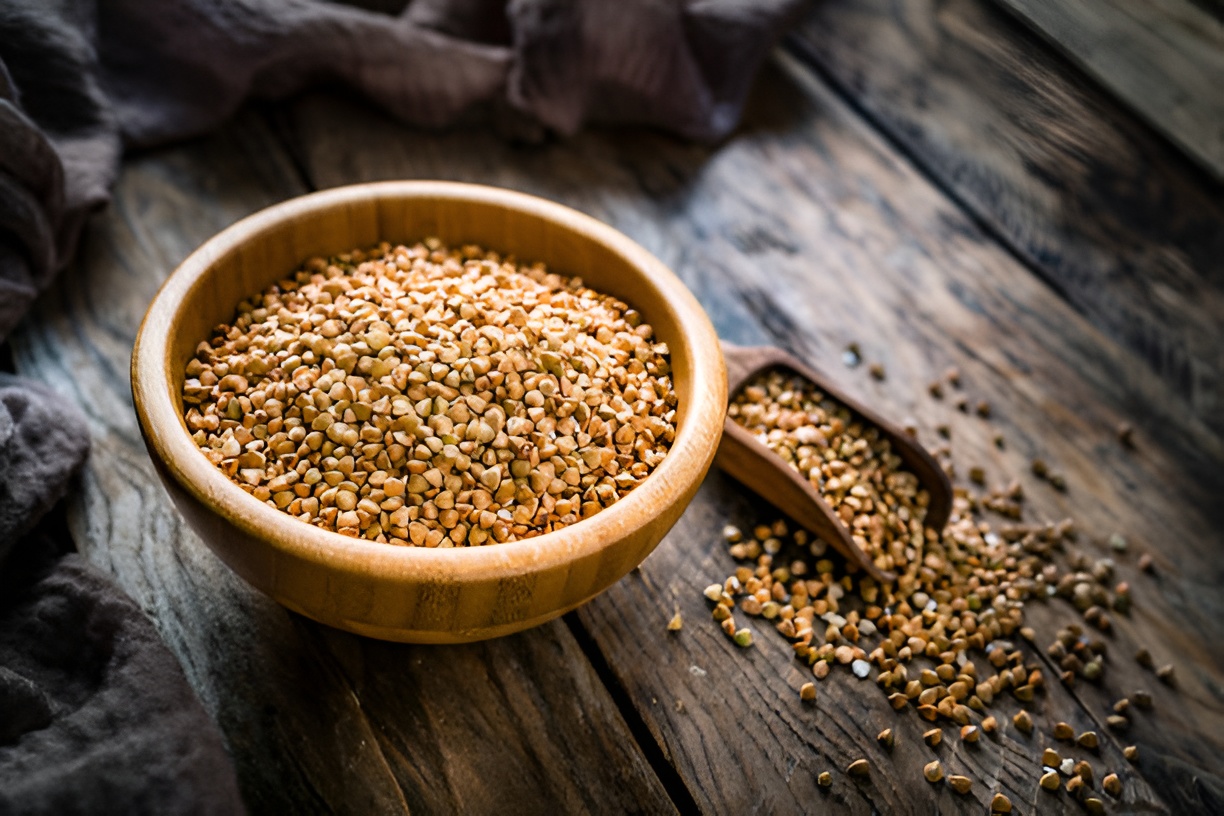

- Buckwheat is a seed, not a grain, and is naturally gluten-free.
- It’s nutrient-dense, high in fiber, protein, vitamins, and minerals.
- Buckwheat contains antioxidants that may help reduce inflammation and support overall health.
- Its low glycemic index makes it suitable for blood sugar management.
- Buckwheat can support heart health, cholesterol balance, and weight management.
- It’s versatile in cooking, usable in porridges, pancakes, noodles, salads, and baked goods.
- Always check for cross-contamination in processed products to ensure safety.
If you’ve been exploring gluten-free options or just curious about healthy grains, you may have come across buckwheat. Despite the name, buckwheat isn’t actually related to wheat—it’s a seed. But that leads many to ask the question: is buckwheat gluten free? In this article, we’ll explore buckwheat’s gluten status, its health benefits, nutritional profile, and practical ways to include it in your diet.
What Exactly is Buckwheat?
Before diving into whether buckwheat is gluten free, it helps to understand what buckwheat actually is. Buckwheat is a pseudocereal, which means it’s a seed that is used like a grain. Unlike wheat, barley, or rye, buckwheat is not part of the grass family and naturally contains no gluten. This makes it an attractive option for people with celiac disease or gluten sensitivity.
Buckwheat can be found in a variety of forms, including:
- Whole groats
- Kasha (toasted buckwheat)
- Buckwheat flour
- Noodles, like Japanese soba
Its versatility makes it suitable for a wide range of recipes, from breakfast porridges to savory dinners.
Is Buckwheat Gluten Free?
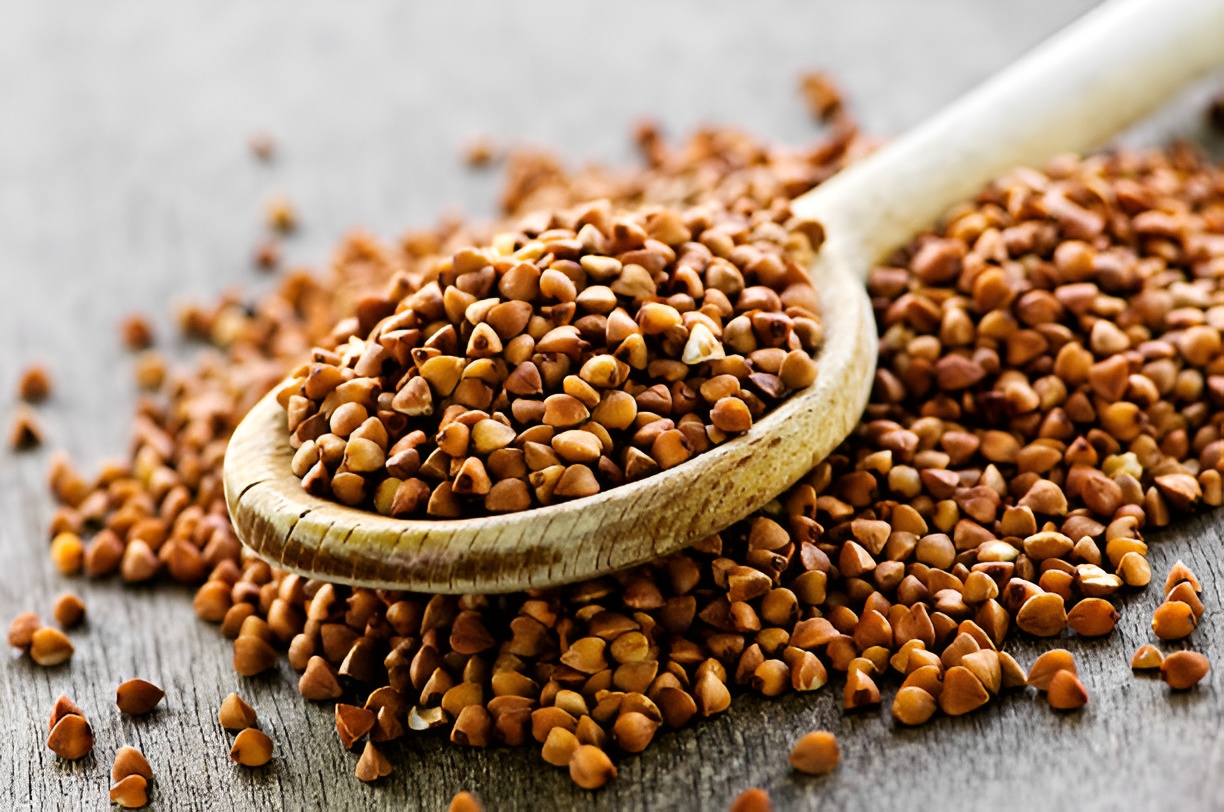
Yes, buckwheat is naturally gluten free. Even though it has “wheat” in the name, it’s actually a seed and doesn’t contain the proteins that cause issues for people with celiac disease or gluten intolerance. Because of this, buckwheat is considered a safe and nutritious gluten free food.
- Cross-contamination: Buckwheat is often processed in facilities that handle wheat, barley, or rye. Always check for a gluten-free certification on the packaging if you have celiac disease.
- Processed foods: Buckwheat flour in pre-made mixes or noodles might be blended with wheat flour, so reading labels is essential.
By choosing certified gluten-free buckwheat products, you can safely enjoy this nutritious grain without worrying about gluten exposure.
What Are the Nutritional Benefits of Buckwheat?
Buckwheat is more than just a gluten-free alternative—it’s also packed with nutrients. Here’s a closer look at what makes buckwheat a health-friendly choice:
High in Fiber
Buckwheat is a rich source of dietary fiber, which supports:
- Digestive health and regular bowel movements
- Lower cholesterol levels
- Stable blood sugar levels
Rich in Protein
Unlike many grains, buckwheat contains all eight essential amino acids, making it a complete protein source. This is especially valuable for vegetarians and vegans looking to boost their protein intake.
Packed with Vitamins and Minerals
Buckwheat is a nutrient powerhouse, containing:
- Magnesium for muscle and nerve function
- Manganese for bone health and metabolism
- Phosphorus for energy production and cell repair
- B vitamins for energy and cognitive function
Antioxidant Properties
Buckwheat contains compounds like rutin and quercetin, which have antioxidant and anti-inflammatory effects. These compounds may help protect the body from oxidative stress and chronic diseases.
Low Glycemic Index
With a low glycemic index (GI), buckwheat is a great choice for blood sugar management. Unlike refined grains, it provides slow-releasing energy that can help maintain steady glucose levels.
How Can Buckwheat Support Heart Health?
If you’re interested in heart health, buckwheat deserves a spot in your diet. Research suggests that consuming buckwheat may:
- Lower LDL (bad) cholesterol
- Improve overall cholesterol balance
- Reduce blood pressure
- Improve circulation
The combination of fiber, antioxidants, and magnesium contributes to these cardiovascular benefits.
Can Buckwheat Help with Weight Management?
Buckwheat can also be helpful if you’re watching your weight. Here’s why:
- High fiber content promotes satiety, reducing overeating
- Low glycemic index helps regulate blood sugar, preventing energy spikes and crashes
- Protein content supports muscle maintenance
Replacing high-calorie, refined grains with buckwheat in your meals may make it easier to achieve and maintain a healthy weight.
How to Include Buckwheat in Your Diet
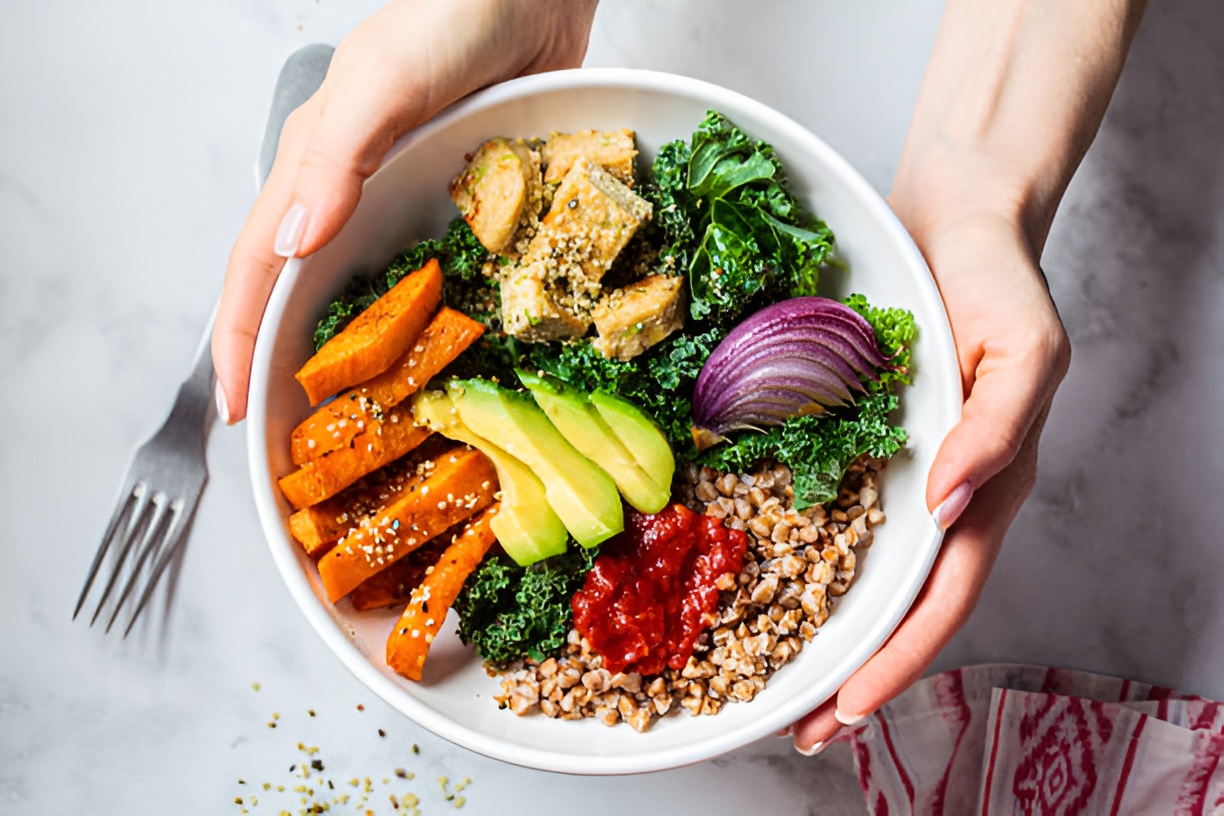
Incorporating buckwheat into your daily meals is simple and versatile. Here are some ideas:
Breakfast Options
- Buckwheat porridge: Cook groats with almond milk, top with fruit and nuts
- Gluten-free pancakes: Use buckwheat flour for hearty pancakes
- Smoothie bowls: Add cooked buckwheat for texture and protein
Lunch and Dinner
- Salads: Toss cooked buckwheat with roasted vegetables and a vinaigrette
- Soups and stews: Add groats for a nutty flavor and extra fiber
- Stir-fries: Use buckwheat noodles (soba) for a gluten-free option
Snacks and Baking
- Buckwheat crackers: Combine buckwheat flour with seeds and olive oil
- Muffins and breads: Replace wheat flour with buckwheat flour in gluten-free baking recipes
Buckwheat vs. Other Gluten-Free Grains
It’s worth comparing buckwheat with other gluten-free grains like quinoa, rice, and millet. Here’s a quick snapshot:
| Grain | Protein | Fiber | Glycemic Index | Key Benefit |
| Buckwheat | High | High | Low | Complete protein, antioxidants |
| Quinoa | High | Moderate | Low | Complete protein, magnesium-rich |
| Rice | Low | Low | Moderate to High | Easy to digest, versatile |
| Millet | Moderate | Moderate | Low | Rich in minerals, heart-friendly |
Buckwheat stands out for its combination of fiber, protein, and antioxidants, making it an excellent choice for a well-rounded, gluten-free diet.
Are There Any Side Effects or Considerations?
For most people, buckwheat is safe and healthy. However, there are a few things to keep in mind:
- Allergies: Rarely, some people may have buckwheat allergies. Symptoms can include skin rashes, digestive upset, or respiratory reactions.
- Cross-contamination: Always check labels if you require strict gluten-free diets.
- Excessive consumption: Like any high-fiber food, overconsumption may cause bloating or gas. Gradually increase intake to avoid digestive discomfort.
Frequently Asked Questions About Buckwheat
Can I Use Buckwheat Flour for Baking?
Yes! Buckwheat flour is excellent for gluten-free baking. It works well in pancakes, muffins, and bread, often combined with other gluten-free flours for better texture.
Is Buckwheat Suitable for Diabetics?
Absolutely. Buckwheat’s low glycemic index helps maintain steady blood sugar levels, making it a smart choice for people with diabetes or insulin resistance.
How Long Does Buckwheat Last?
- Uncooked groats: Store in a cool, dry place for up to a year
- Cooked buckwheat: Refrigerate for up to 5 days or freeze for longer storage
Can Buckwheat Be Sprouted?
Yes. Sprouting buckwheat groats increases digestibility, boosts nutrients, and can be eaten raw or lightly cooked. Sprouted buckwheat makes a great addition to salads and smoothies.
Buckwheat Recipes to Try
Here are a few easy and delicious ways to enjoy buckwheat:
- Buckwheat Porridge with Berries: Simmer groats with almond milk, top with blueberries, chia seeds, and a drizzle of honey.
- Buckwheat Pancakes: Mix buckwheat flour, eggs, and milk; cook on a non-stick skillet; serve with fruit.
- Soba Noodle Stir-Fry: Cook buckwheat noodles and stir-fry with vegetables, tofu, and a sesame-soy dressing.
- Buckwheat Salad Bowl: Combine cooked groats with roasted sweet potatoes, kale, pumpkin seeds, and a lemon vinaigrette.
The Bottom Line
So, is buckwheat gluten free? Yes, naturally. Buckwheat is a nutrient-dense, versatile seed that fits seamlessly into a gluten-free diet. Its fiber, protein, vitamins, minerals, and antioxidants make it a superfood for overall health. Whether you’re cooking breakfast, lunch, dinner, or snacks, buckwheat offers endless possibilities.
By choosing certified gluten-free buckwheat products, paying attention to cross-contamination, and experimenting with different recipes, you can enjoy this delicious grain safely. From heart health and blood sugar management to weight control and digestive wellness, buckwheat is a smart addition to any gluten-free kitchen.