- Know why gluten matters – Avoid it if you have celiac disease, gluten sensitivity, or wheat allergies.
- Spot potential symptoms – Bloating, digestive issues, fatigue, brain fog, or skin problems may signal gluten intolerance.
- Focus on naturally gluten-free foods – Fruits, vegetables, lean proteins, legumes, nuts, seeds, and gluten-free grains.
- Read labels carefully – Check for “gluten-free” claims, hidden ingredients, and cross-contamination warnings.
- Cook smart at home – Swap flours, try alternative grains, batch cook, and make sauces from scratch.
- Prevent cross-contamination – Use separate utensils, cutting boards, and storage for gluten-free foods.
- Plan and transition gradually – Introduce meals slowly, explore new recipes, and maintain balanced nutrition.
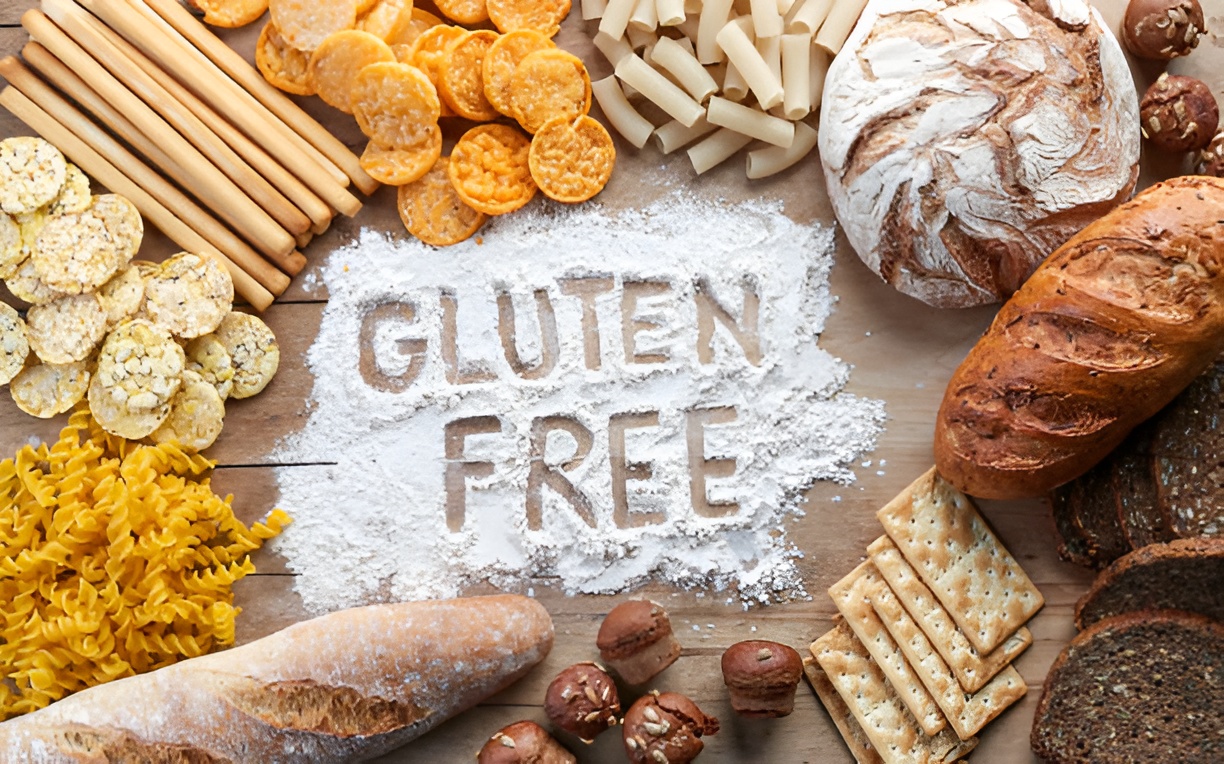
Switching to a gluten-free diet can feel overwhelming at first, especially if you’re used to traditional bread, pasta, and baked goods. But with the right guidance, making the transition can be smooth, healthy, and even enjoyable. This guide will walk you through everything you need to know about gluten free food, from understanding what gluten is to safe grocery shopping and cooking tips.
What is Gluten and Why Does It Matter?
Gluten is a type of protein found in wheat, barley, rye, and their derivatives. It gives bread its chewy texture and helps dough rise. For most people, gluten isn’t harmful. However, those with celiac disease, gluten sensitivity, or wheat allergies need to avoid it to prevent digestive issues, inflammation, and other health problems.
Switching to gluten free food can improve digestion, boost energy, and even help manage chronic conditions—but only if done safely and thoughtfully.
How Do You Know if You Need to Go Gluten-Free?

You don’t have to have celiac disease to benefit from reducing gluten. Some signs that a gluten free diet might help include:
- Persistent bloating or gas
- Frequent diarrhea or constipation
- Brain fog or difficulty concentrating
- Fatigue and low energy
- Skin issues like eczema or rashes
If you suspect gluten may be causing problems, consider consulting a healthcare professional before fully switching. Testing for celiac disease before starting a gluten-free diet is important, as results can be affected if you’ve already eliminated gluten.
What Foods Are Naturally Gluten-Free?
One of the first things beginners learn is that many whole, unprocessed foods are naturally gluten-free. Some examples include:
- Fresh fruits and vegetables
- Lean meats, poultry, and fish
- Eggs and dairy products
- Beans, lentils, and legumes
- Nuts and seeds
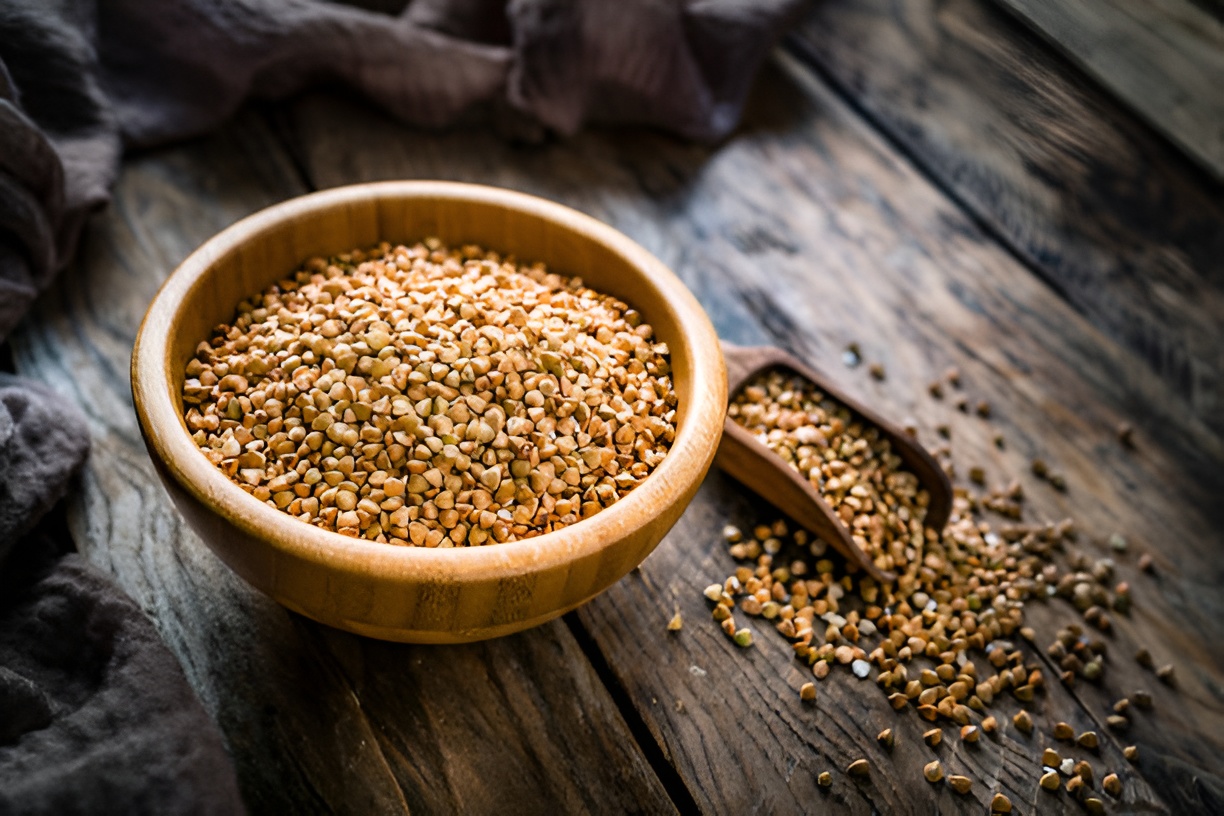
- Gluten-free grains like rice, quinoa, buckwheat, and millet
Eating a diet rich in these whole foods not only makes the switch easier but also ensures you’re getting balanced nutrition.
What Foods Should You Avoid?
Gluten hides in a surprising number of foods. Some common culprits include:
- Bread, bagels, rolls, and pastries made with wheat, barley, or rye
- Pasta and noodles unless labeled gluten-free
- Cereals containing wheat, barley, or malt
- Processed snacks like crackers, cookies, and pretzels
- Sauces, soups, and dressings that use wheat flour as a thickener
- Beer and some alcoholic beverages made from barley or wheat
Reading labels is key—look for certified gluten-free products to reduce the risk of accidental exposure.
How to Read Labels for Gluten-Free Safety
Learning to read food labels is one of the most important skills for anyone starting a gluten-free diet. Gluten can hide in many unexpected places, so understanding labels helps you avoid accidental exposure and stay safe. Here’s a closer look at what to watch for:
“Gluten-Free” Label
Products that carry the official “gluten-free” claim are regulated and must contain less than 20 parts per million (ppm) of gluten. This standard is considered safe for most people with celiac disease or gluten sensitivity. Look for certified symbols from trusted organizations, such as the GF logo from the Gluten Intolerance Group, as an extra layer of assurance.
Ingredients List
Even if a product doesn’t have a “gluten-free” label, reading the ingredients list carefully can help you identify hidden gluten. Common ingredients that contain gluten include:
- Wheat (all types, including durum, spelt, einkorn, and kamut)
- Barley (often found in malt flavoring, malt vinegar, or beer)
- Rye (common in breads and cereals)
- Malt (malt extract, malt syrup, malt flavoring)
- Brewer’s yeast (used in some supplements or flavorings)
- Hydrolyzed wheat protein (often in processed snacks or sauces)
Also be cautious of ambiguous terms like “starch” or “flour” without a specified source—these can sometimes come from wheat.
Cross-Contamination Warnings
Some packaged foods are naturally gluten-free but may be processed in facilities that handle gluten-containing grains. Labels may include warnings such as:
- “May contain wheat”
- “Processed in a facility that also processes wheat or barley”
- “Made on shared equipment with gluten”
Even trace amounts of gluten can cause reactions in highly sensitive individuals, so these warnings are important to consider.
Tips for Safe Label Reading
- Stick to whole foods when possible: Fresh fruits, vegetables, meats, and grains like rice or quinoa are naturally gluten-free and don’t require label scrutiny.
- Choose brands that specialize in gluten-free products: These companies typically avoid cross-contamination and clearly label their items.
- When in doubt, research: Many manufacturers have websites that clarify their gluten policies. Apps and online gluten-free databases can also help verify if a product is safe.
How Can You Make Gluten-Free Cooking Easy?
Cooking at home is one of the best ways to fully embrace gluten free food while staying safe. When you prepare your own meals, you control the ingredients and reduce the risk of hidden gluten. Here are some strategies to make gluten-free cooking easier, tastier, and less intimidating:
Swap Ingredients Thoughtfully
One of the simplest ways to start cooking gluten-free is to replace wheat flour with alternative flours. Popular options include:
- Almond flour – great for baked goods like muffins and cookies, adds a slightly nutty flavor
- Coconut flour – absorbs more liquid than regular flour, ideal for pancakes and quick breads
- Rice flour – versatile for baking, thickening sauces, and breading meats
- Gluten-free all-purpose flour blends – convenient for recipes that call for regular flour, often containing a mix of rice, potato, and tapioca starch
When using gluten-free flours, remember that texture and moisture may differ from wheat flour. Start with simple recipes and gradually experiment with substitutions.
Batch Cooking for Convenience
Preparing meals in advance can save time and make staying gluten-free much easier. Tips for batch cooking:
- Make large portions of soups, stews, casseroles, and rice or quinoa dishes and store them in the fridge or freezer
- Pre-chop vegetables and keep them in airtight containers for quick meals
- Bake gluten-free bread, muffins, or pancakes in bulk to have breakfast or snacks ready throughout the week
Having safe, ready-to-eat meals reduces the temptation to grab processed foods that may contain hidden gluten.
Experiment with Grains and Alternatives
Gluten-free cooking opens the door to new grains and starches that are naturally safe:
- Quinoa – high in protein and fiber, perfect for salads, bowls, or side dishes
- Buckwheat – despite the name, it’s naturally gluten-free, great for pancakes, porridge, or noodles
- Polenta – a versatile corn-based dish that can be served creamy or firm
- Rice and rice noodles – staples for stir-fries, sushi, and pasta alternatives
Trying new grains not only keeps meals interesting but also ensures a balanced diet with plenty of nutrients.
Make Simple Sauces and Dressings
Store-bought sauces, gravies, and salad dressings can often contain hidden gluten. Making your own is easier than it seems:
- Whisk olive oil, vinegar, and herbs for a quick salad dressing
- Thicken sauces with cornstarch, arrowroot, or gluten-free flour instead of wheat flour
- Make tomato or curry sauces from scratch using fresh ingredients and spices
Homemade sauces are fresher, healthier, and fully gluten-free, giving you complete control over flavors.
Other Practical Tips
- Use separate utensils and cutting boards for gluten-free cooking if preparing meals for non-gluten-free family members
- Start with simple recipes like stir-fries, soups, or one-pan meals before attempting complex baked goods
- Keep a list of safe staples in your pantry to simplify meal prep and grocery shopping
Can You Still Eat Out on a Gluten-Free Diet?
Eating out can feel intimidating at first, but many restaurants now cater to gluten-free diets. Tips include:
- Check menus online for gluten-free options before going
- Communicate clearly with servers about your dietary needs
- Avoid fried foods cooked in shared oil to prevent cross-contamination
- Stick to naturally gluten-free dishes like salads, grilled meats, and steamed vegetables
Apps and websites can help identify gluten-free-friendly restaurants in your area.
How to Manage Cross-Contamination at Home
Even a tiny amount of gluten can cause issues for sensitive individuals. Preventing cross-contamination involves simple habits:
- Use separate cutting boards, utensils, and toasters for gluten-free foods
- Wash hands and surfaces thoroughly before preparing meals
- Store gluten-free products in separate containers
- Consider labeling shelves or pantry areas to avoid confusion
These small steps make your kitchen safer and reduce accidental gluten exposure.
What Are Common Gluten-Free Mistakes Beginners Make?
Even with the best intentions, mistakes happen. Common pitfalls include:
- Relying on Packaged Gluten-Free Products: Many are high in sugar, fat, and additives. Focus on whole foods instead.
- Not Reading Labels Carefully: Hidden gluten can appear in unexpected ingredients.
- Ignoring Nutritional Balance: Avoiding gluten shouldn’t mean eliminating essential nutrients like fiber and iron.
- Going Cold Turkey Too Fast: Gradual transitions may help your body adjust and make the diet more sustainable.
Being aware of these mistakes can save frustration and keep your gluten-free journey healthy.
Can Gluten-Free Food Be Affordable?
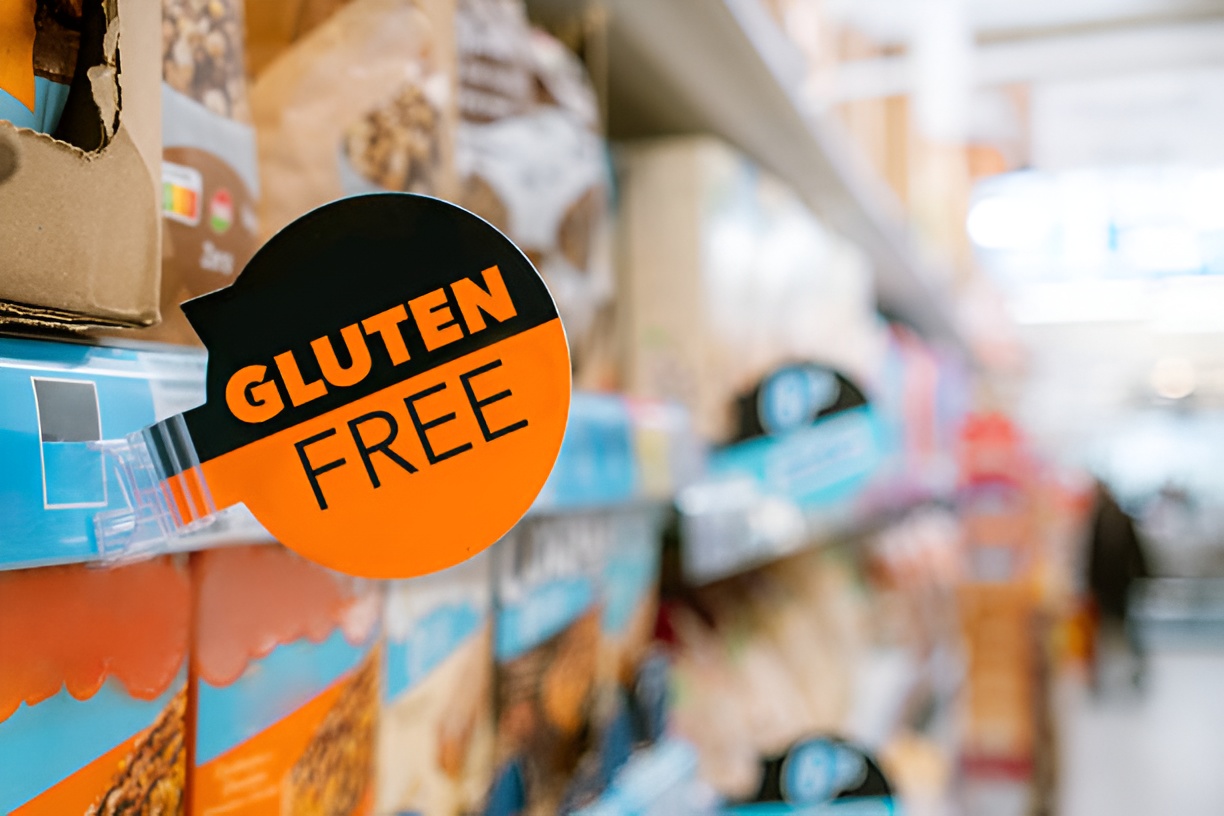
One of the biggest concerns for beginners is cost. Gluten-free products can be expensive, but strategies exist to keep your budget in check:
- Buy whole foods like rice, beans, and vegetables instead of packaged products
- Cook at home rather than eating out
- Buy in bulk where possible
- Focus on naturally gluten-free staples rather than specialty substitutes
With planning, eating gluten-free doesn’t have to break the bank.
How Do You Ensure Balanced Nutrition on a Gluten-Free Diet?
Eliminating gluten doesn’t mean compromising nutrition. Tips for maintaining balance include:
- Fiber: Choose gluten-free whole grains, fruits, and vegetables
- Protein: Incorporate lean meats, eggs, and legumes
- Healthy Fats: Include nuts, seeds, avocados, and olive oil
- Vitamins and Minerals: Some gluten-free products are fortified, but natural sources like leafy greens, beans, and nuts are best
A dietitian can help beginners design meal plans that are both safe and nutritionally complete.
How to Handle Gluten-Free Cravings
Missing your favorite bread, pizza, or pasta is normal. To satisfy cravings:
- Try gluten-free versions of your favorite foods
- Explore naturally gluten-free comfort foods like rice bowls, frittatas, or roasted vegetables
- Bake at home using gluten-free flours for fresh bread, muffins, or cookies
- Focus on new recipes rather than what you’re avoiding
Patience is key—the more you experiment, the easier it becomes to enjoy your meals.
Are There Health Benefits to Going Gluten-Free?
For those with celiac disease or gluten sensitivity, health improvements can be dramatic:
- Reduced digestive issues
- Less bloating and gas
- Improved energy levels
- Clearer skin and better overall wellness
Even for people without gluten issues, a gluten-free diet often encourages more whole-food consumption, which can lead to healthier eating habits overall.
How to Plan a Gluten-Free Grocery List
A beginner-friendly grocery list can simplify your transition. Essentials include:
- Grains: Rice, quinoa, buckwheat, millet, gluten-free oats
- Proteins: Chicken, fish, eggs, beans, lentils, tofu
- Fruits and Vegetables: Fresh, frozen, or canned without added sauces
- Dairy or Alternatives: Milk, cheese, yogurt, almond or oat milk
- Pantry Staples: Olive oil, coconut oil, nuts, seeds, gluten-free pasta and flour
Keeping your kitchen stocked with these essentials makes gluten-free cooking stress-free.
Can You Enjoy Desserts on a Gluten-Free Diet?
Absolutely! Gluten-free desserts are easy to make and delicious. Tips include:
- Use almond, coconut, or rice flour instead of wheat flour
- Experiment with naturally gluten-free desserts like fruit crisps or chocolate avocado mousse
- Choose gluten-free baking mixes for convenience
- Focus on simple recipes to avoid unnecessary additives
With a little creativity, dessert is still part of your routine.
How to Transition Without Feeling Overwhelmed
Making the switch gradually can help you adjust without stress:
- Start with one gluten-free meal per day
- Slowly replace pantry staples with gluten-free versions
- Keep your favorite comfort foods in gluten-free form
- Track symptoms to see improvements and motivate yourself
Transitioning gradually reduces frustration and makes the diet more sustainable.
Should You Consider Supplements?
Some gluten-free beginners may need supplements, especially if they previously consumed a lot of fortified wheat products. Common considerations:
- Fiber: Gluten-free diets can be low in fiber; consider a supplement if needed
- B Vitamins and Iron: Check with a healthcare provider if deficiencies are a concern
- Probiotics: May help support gut health during the dietary transition
Supplements aren’t always necessary, but they can help ensure balanced nutrition.
What Resources Are Available for Beginners?
Support makes the journey easier. Useful resources include:
- Books: Beginner-friendly gluten-free cookbooks and guides
- Websites: Blogs and forums for recipe ideas and tips
- Apps: Track gluten-free products, recipes, and restaurants
- Support Groups: Online communities or local meetups
Using these resources can help you stay motivated and informed.
How Do You Make Eating Gluten-Free a Lifestyle?
Going gluten-free is more than a diet—it’s a lifestyle change. Strategies for long-term success include:
- Keep learning and experimenting with new recipes
- Plan meals in advance
- Educate family and friends about your needs
- Celebrate small victories and progress
Consistency and planning make living gluten-free feel natural and enjoyable.
Final Thoughts: Is Gluten-Free Right for You?
Switching to gluten free food doesn’t have to be scary. By understanding which foods to eat, learning label-reading skills, preventing cross-contamination, and exploring new recipes, you can make the transition safely and enjoyably. Whether it’s for health reasons, digestive comfort, or simply a new lifestyle choice, embracing gluten-free living is entirely possible with the right approach.