
Maintaining good health and staying active are priorities for many people today. Whether you’re managing a chronic condition or simply working to improve your overall fitness, having reliable tools and accessories can make a big difference in your daily routine. One often-overlooked but essential item is medical adhesive tape. Though it may seem like a simple product, adhesive tape medical use goes far beyond just holding bandages in place. It supports a wide range of health and fitness activities by securing devices, protecting skin, and enhancing comfort during movement.
In this article, we’ll explore how medical adhesive tape can be a valuable part of your health and fitness regimen, helping you stay active and confident.
The Versatile Role of Medical Adhesive Tape in Health and Fitness
Medical adhesive tape is commonly associated with first aid and wound care, but its applications extend well into the realm of health monitoring and fitness support. For people who rely on wearable health devices—such as heart rate monitors, glucose sensors, or joint supports—adhesive tape plays a vital role in ensuring these tools stay in place and function properly. When you’re moving, sweating, or engaging in physical activity, the natural adhesive of devices might not be enough. Using additional tape designed for medical purposes adds a layer of security and stability.
Beyond securing devices, medical adhesive tape is also used in sports medicine to provide support and stability to muscles and joints. Athletes and fitness enthusiasts often use it to tape areas prone to injury, reduce strain, and aid recovery. Its flexibility and skin-friendly materials make it suitable for prolonged wear without causing irritation, allowing you to stay focused on your workout without distraction.
Supporting Wearable Health Devices
In recent years, wearable health technology has become increasingly popular. Devices like continuous glucose monitors, fitness trackers, and heart monitors provide valuable data that help individuals track progress and manage health conditions effectively. However, the effectiveness of these devices depends largely on how securely they stay attached to the body.
Medical adhesive tape is crucial in reinforcing the adhesive backing of these devices. For example, people using continuous glucose monitors may find that the built-in adhesive sometimes fails during exercise or exposure to water. Adding medical adhesive tape provides extra protection, ensuring that the device remains firmly in place throughout physical activities like running, swimming, or cycling.
This added security means that users can trust their devices to deliver accurate, uninterrupted readings, which is essential for making informed health decisions. Furthermore, medical adhesive tape helps prevent accidental dislodging, reducing the risk of device damage and the inconvenience of premature replacements.
Enhancing Comfort and Skin Protection
One of the key challenges with wearing adhesive products on the skin, especially during intense physical activity, is the risk of irritation. Medical adhesive tape used for health and fitness purposes is typically designed with hypoallergenic and breathable materials to minimize skin reactions. This means you can wear it for extended periods without discomfort, which is especially important for those who require continuous monitoring devices or joint support.
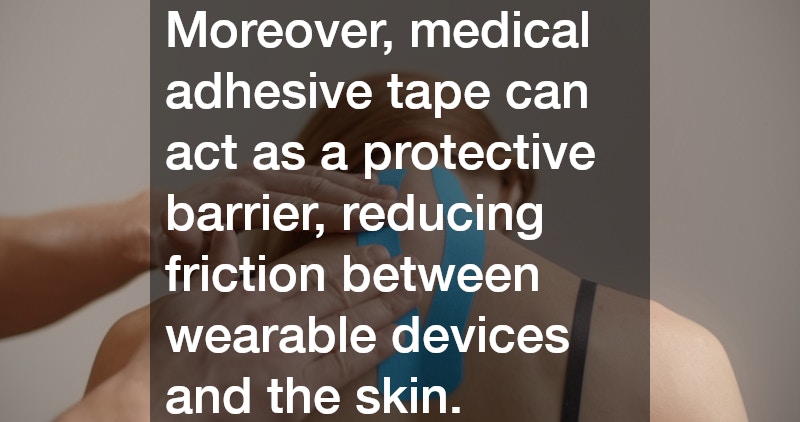
Moreover, medical adhesive tape can act as a protective barrier, reducing friction between wearable devices and the skin. This barrier helps prevent chafing and redness, common issues for people who wear devices or supports during long workouts or daily activities. Proper skin care and tape use can enhance overall comfort, allowing you to focus more on your fitness goals rather than skin irritation.
Practical Tips for Using Medical Adhesive Tape in Your Routine
To get the best results from adhesive tape medical use, it’s important to use it correctly. Start by cleaning and drying the skin thoroughly before applying tape. Oils, sweat, or lotions can reduce the tape’s adhesion, causing it to peel off prematurely. Choosing the right type of tape is equally important. Some tapes are designed specifically for sensitive skin or water resistance, making them ideal for active lifestyles.
When applying tape, smooth it down gently to avoid wrinkles or bubbles, which can weaken adhesion and cause discomfort. If you’re taping joints or muscles, ensure the tape provides support without restricting movement. Removing tape carefully by peeling it back slowly can prevent skin damage, and using adhesive removers made for sensitive skin can help.
Supporting Injury Prevention and Recovery
Medical adhesive tape is a trusted tool in preventing injuries and aiding recovery for athletes and fitness enthusiasts. Taping joints such as wrists, ankles, or knees provides extra stability during exercise, reducing the risk of sprains or strains. In rehabilitation, tape supports weakened muscles or injured areas, helping individuals gradually return to activity.
Unlike rigid braces, medical adhesive tape offers flexibility, allowing for a range of motion while still providing support. This balance between stability and mobility is crucial for effective training and recovery. Additionally, many athletes find that taping provides a psychological boost by increasing their confidence in the stability of vulnerable areas during workouts or competitions.
Adhesive tape medical use extends well beyond traditional wound care, playing an important role in health and fitness routines. By securing wearable devices, protecting the skin, and supporting muscles and joints, medical adhesive tape helps individuals stay active, comfortable, and confident. Whether you are managing a health condition with the help of monitoring devices or seeking injury prevention and recovery solutions, incorporating medical adhesive tape into your routine can enhance your overall wellness experience. With the right knowledge and products, this simple accessory becomes a powerful ally on your journey to better health and fitness.